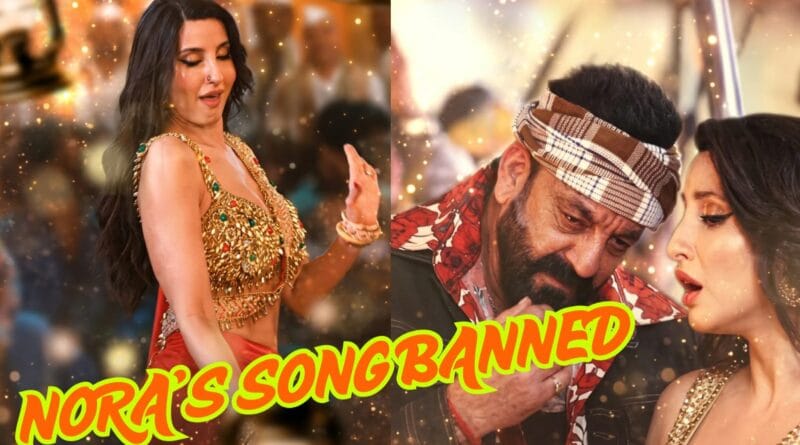
Nora Fatehi Song Controversy Explained: What Really Happened with “Sarke Chunar”?
The Nora Fatehi Song Controversy has quickly become one of the most talked-about topics online. The internet moves fast, but every once in a while, something comes along that sparks a bigger conversation. That’s exactly what happened with Nora Fatehi and the song Sarke Chunar Teri Sarke from KD: The Devil. What was supposed to be just another song release quickly turned into a heated debate across social media, news platforms, and even government bodies.
Within days, the song went from trending to controversial. People had strong opinions, complaints were filed, and eventually, the song was removed from major platforms. So what really happened? Let’s break it down in a simple and clear way.
Why Did “Sarke Chunar” Face So Much Backlash?
The controversy started soon after the Hindi version of the song was released online. Many viewers took to social media and shared their discomfort with what they described as suggestive lyrics and visuals. Some felt the content was unnecessary and questioned why it was presented in that way. What made things bigger was how quickly the reactions spread. It wasn’t just regular viewers. A few known voices also commented on the issue, which pushed the discussion even further into the spotlight. Since the song was easily available online, people also raised concerns about how widely it could be accessed.
That said, it’s important to understand that these reactions were based on personal opinions and public perception. Not everyone saw it the same way, but the volume of criticism was enough to turn it into a serious discussion about content limits in entertainment.
When the Issue Moved Beyond Social Media
Things didn’t stay limited to online debates for long. As the criticism grew, formal complaints were reportedly filed, bringing the matter into legal focus. Some of these complaints raised concerns about how the content was being presented and who could access it. Soon, organizations like the National Commission for Women stepped in and issued summons in connection with the issue. The commission noted that the content appeared “sexually suggestive and objectionable,” which added weight to the situation.
Also Read: Shesha 2016 (2026) Movie Review: A Realistic Kannada Police Thriller That Builds Tension Slowly
The National Human Rights Commission also looked into the matter after receiving complaints. At this point, it was no longer just an online controversy. It had become an official issue being reviewed by authorities. Eventually, the song was removed from major platforms following complaints and official attention. Authorities also reminded that freedom of expression exists, but it comes with certain limits under the law.
Nora Fatehi’s Side of the Story
As the controversy grew, Nora Fatehi shared her side of what happened. According to her, the song was actually shot a few years ago, and she had worked on a different version at that time. She clarified that she was not involved in approving the final Hindi version that later became controversial. She also mentioned that she was not aware of the exact lyrics that people reacted to after the release.
One of the more unexpected parts of her statement was about the use of her visuals. She raised concerns that some parts may have been used or modified without her approval. She also mentioned the possibility of AI-related changes, although these claims have not been independently verified. This part of the controversy opened up a completely different conversation about digital control, artist consent, and how content can be altered in today’s tech-driven world.
The Bigger Picture: What This Controversy Really Shows
Beyond the headlines, this situation highlights a bigger issue. Digital content today reaches millions instantly, but the rules around it are still catching up. Unlike films, which go through certification, songs released online don’t always follow the same process. That creates a grey area. When something goes wrong, it’s not always clear who is responsible. Is it the actor, the production team, or the platform hosting the content?
At the same time, this also brings up the ongoing debate between creative freedom and audience expectations. While creators have the right to experiment, audience reactions show that people still expect a certain level of responsibility. In many ways, this controversy is less about one song and more about how the entertainment industry is changing. With digital platforms growing fast, situations like this may become more common unless clearer guidelines are put in place.
Final Thoughts
The Nora Fatehi song controversy is not just another viral topic. It shows how quickly public opinion can shape the direction of content and how seriously such matters are now being taken. Whether you agree with the backlash or not, one thing is clear. The rules of content creation are evolving, and both creators and platforms need to adapt to this new reality.
What Do You Think?
Do you feel the reaction to the song was fair, or do you think creative freedom should have more space?
Drop your thoughts in the comments. And if this breakdown helped you understand the situation better, share it with others who are still confused about what actually happened.